Protected: How Life Insurance Works Beyond SGLI
There is no excerpt because this is a protected post.
Turn experience into opportunity with guidance tailored to your military-to-civilian career journey.

There is no excerpt because this is a protected post.

Worried about fitting in after the military? Military Friendly® connects Veterans to workplaces with proven veteran culture, support and career paths where your skills and experience are valued.

Feeling lost in civilian hiring platforms? MFTX connects Veterans with employers who value military experience, translating skills into opportunities for a successful career transition.

This Veterans Day, stand out for those who served. Join Military Friendly®’s #CamoForVeterans movement—download a camo profile image, update your socials and show visible support for our nation’s Veterans.

Feeling overlooked by civilian employers? Military Friendly® connects veterans to employers who understand and value military experience through MFTX, VJFs and GHWs. Find your next mission today.

Transitioning from military to civilian life can be tough, but your skills deserve recognition. Military Friendly® connects Veterans to employers who value experience, growth and leadership.

Struggling to translate your military experience into civilian opportunities? Military Friendly® connects Veterans with employers who value your skills, leadership and proven track record.

Most companies don’t fully understand the value veterans bring. Military Friendly® connects you with employers who hire for your skills, not just your service, turning military experience into civilian career success.

Transitioning from military life can feel overwhelming. Military Friendly® provides a proven, stepped process, rich data and community support to help veterans confidently navigate civilian careers.

Transitioning from military to civilian life can feel overwhelming. Military Friendly® provides a proven process, rich data and one-stop support to help veterans turn uncertainty into career confidence.

Veterans are the most tested talent in the world. Military Friendly® connects you with employers who understand and value your service—so you’re not overlooked, but hired, retained and advanced.

Focus beats volume in the civilian job hunt. Veterans who build a shortlist of proven Military Friendly® Employers land interviews faster, reduce stress and find roles aligned with their skills, values and goals.

Veterans have the skills—interviews demand the storytelling. Master translating your military experience, highlight outcomes and connect with civilian employers to turn your service into job offers.

Your MOS is more than a code—it’s proof of skills civilian employers need. Translate jargon into outcomes, highlight transferable strengths and align with industries that value your experience to land the right role.

Every company claims to be veteran friendly—but only proof matters. Target Military Friendly® Employers who back it up with data on hiring, retention and advancement, and build your career where commitment is real.

Your first 90 days set the mission for long-term success. Veterans who plan, deliver early wins and scale impact quickly build trust, credibility and momentum, positioning themselves for promotions and lasting career growth.

Traditional job boards waste time. Veterans get faster, better results by focusing on Military Friendly® job feeds—curated, verified employers who prove they hire, retain and advance veterans. Cut the noise and connect with opportunities that matter.

Land your civilian dream job fast with a mission-style plan: target roles, focus on badge-earned employers, share proof-driven stories, connect strategically and present a clear 30/60/90 plan to show ROI from day one.

The Military Friendly® Badge signals employers who prove, not promise, veteran support. Targeting badge-earned companies saves time, ensures career growth and connects veterans with workplaces that value and advance their skills.

Veterans can turn military missions into measurable civilian results. Using the mission-to-metrics framework, they translate experience into leadership and outcomes, helping badge-earned employers recognize their value and secure roles that match their skills.

Your service is a legacy of courage, integrity and teamwork. Forged through sacrifice and purpose, it builds unbreakable bonds, enduring confidence and a steadfast commitment to America’s freedom.
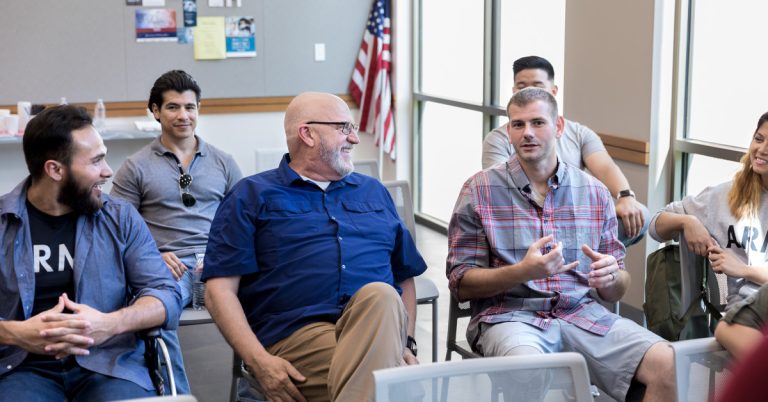
There are six key interview types—Informational, Screening, Hiring Manager, Approval, Group and Offer. Knowing each helps veterans tell their story, assess companies and stand out, turning preparation and awareness into a competitive advantage.

“Can you tell me about yourself?” is the most common interview question—and preparation is key. Veterans should give a concise, 2–3 minute answer highlighting skills, achievements and results, connecting experience to the role while avoiding irrelevant details and acronyms.

Landing the job is just the start—veterans must maintain professionalism post-interview. Observe workplace culture, adapt communication, remain approachable and balance military habits with civilian norms to build trust, excel during probation and ensure a smooth transition.

Air Force veteran Chris Preffer uses his military and teaching experience to improve Medicare Advantage plans at UPMC, advising veterans to align careers with skills and long-term goals.

Navy veteran Shannon Kelly transitioned from piloting to healthcare sales at Johnson & Johnson. Her military experience drives discipline, problem-solving and leadership as she navigates complex negotiations and global projects.

Navy veteran Dan Jablonsky, CEO of Maxar Technologies, shares how veterans’ skills drive success across aerospace, engineering and business. He advises translating military experience and listening in interviews for career fit.

Understanding your military discharge type is key for civilian transitions. Focus on skills, experience and leadership in interviews, and consider DD Form 293 for discharge upgrades if needed.

Army veteran Kimberly An leveraged a Hiring Our Heroes internship to transition into IT recruiting, placing talent in financial services and advising veterans to use VA resources for tech careers.

Marine veteran Randall Stremmel leverages his military experience to lead an oil and gas inspection company, urging veterans to use certifications and programs to launch high-paying, in-demand energy careers.

Air Force veteran Rob Smith transitioned from aircraft mechanic to leading cybersecurity at USAA, advising veterans to leverage military skills, plan ahead and use programs like DoD SkillBridge for smooth transitions.

Veterans can ace tough interview questions by understanding intent. Highlight self-awareness for weaknesses, career accomplishments for “tell me about yourself,” and company knowledge for “why do you want to work here?”

Make your VA résumé stand out by telling a clear story, tailoring it to the job announcement and proofreading. Highlight your skills and experience to show recruiters your value.

Marine veteran Brandon Frazee thrives in construction by leading with influence, not authority. He advises veterans to research companies, start early and align careers with personal interests for lasting success.

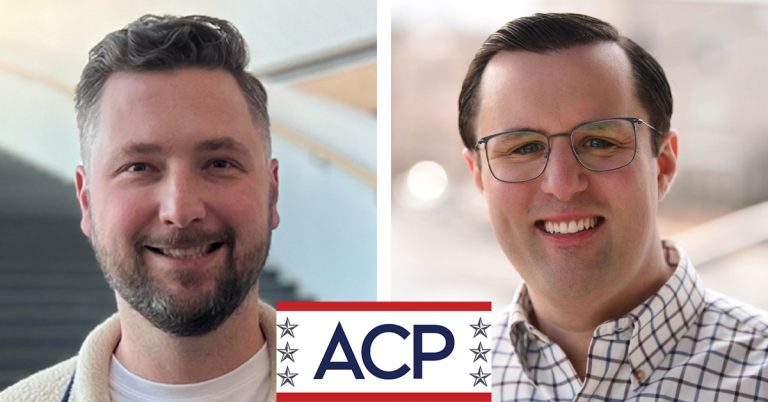
Veterans bring discipline, teamwork and critical thinking to healthcare. ACP alumni like Kittelson and Robinson show how military skills translate to leadership, adaptability and making a meaningful impact on patients’ lives.

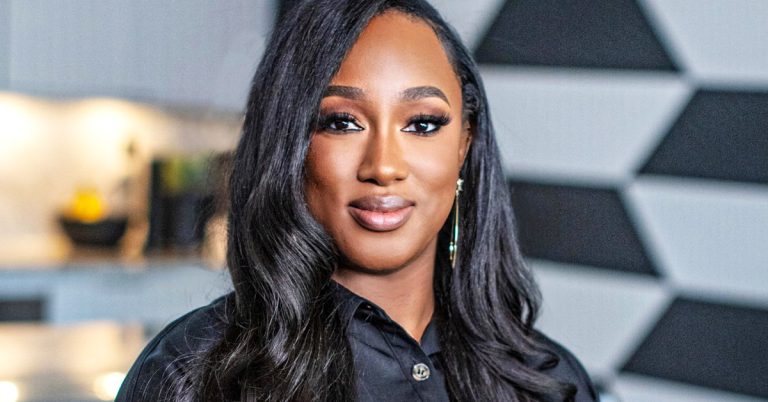
Army veteran Paris Jackson transitioned to financial advising at Northwestern Mutual, using military leadership, patience and problem-solving to help clients build wealth and serve in a new capacity with purpose.

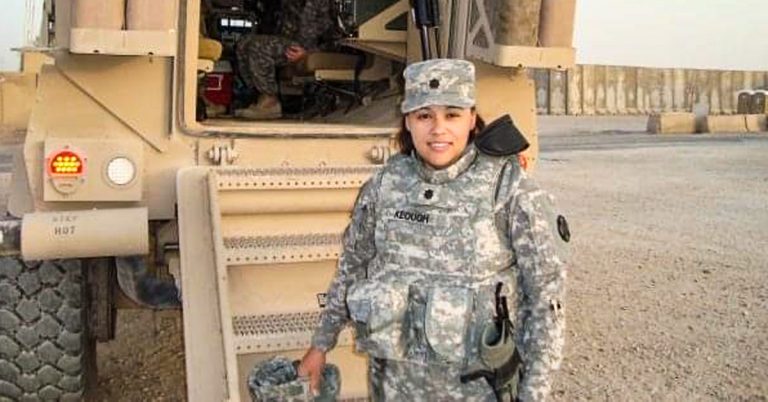
After a 30-year Army career, Lisa Keough transitioned to USAA as a senior business advisor. With planning, mentorship and Hiring Our Heroes, she continues serving others while balancing work and life with purpose.

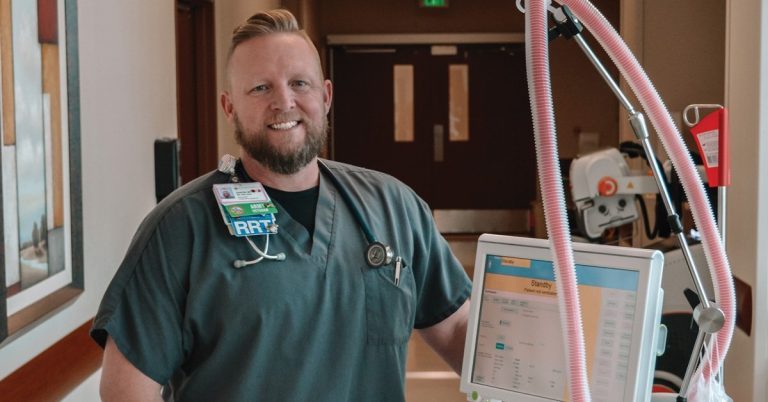
Iraq veteran Jason Wilson found healing through healthcare and BBQ. As a respiratory therapist, he helps others while managing PTSD, showing how veterans can turn service, skills and passion into meaningful careers.

Veterans bring leadership, resilience and critical thinking to civilian careers. Hiring experts advise tailoring résumés, translating military experience and practicing storytelling to stand out and succeed post-service.

Mentorship helps veterans navigate civilian life with confidence. Mentors guide skill translation, résumé building, interview prep and networking, boosting job success and long-term career satisfaction.

Vincent “Rocco” Vargas went from Army Ranger to Hollywood actor, showing that persistence, adaptability and resilience can turn personal challenges and timing into unexpected opportunities.

Veterans can thrive in remote careers—from IT to project management—by leveraging leadership, problem-solving and technical skills, using resources, training and networks to succeed “from boots to broadband.”

Veterans can navigate the civilian job market with confidence by translating military skills, networking, tailoring applications and using veteran-specific resources to unlock meaningful career opportunities.

Veterans bring leadership, discipline and adaptability to civilian careers. Explore top jobs in cybersecurity, healthcare, logistics and more.

Explore top civilian jobs for veterans in healthcare, tech, logistics, security and project management—leverage your military skills for success.

Stand out in your next interview with these 9 thoughtful questions that show curiosity, commitment and long-term interest to impress employers.

Ace your next video interview with 4 essential tips for veterans: dress professionally, practice, research and test your tech for success.

Transitioning veterans: Learn 5 essential rules to negotiate your first civilian job offer. Know your worth, time it right, stay professional and leverage benefits beyond salary to maximize your opportunity.
Choose your path.