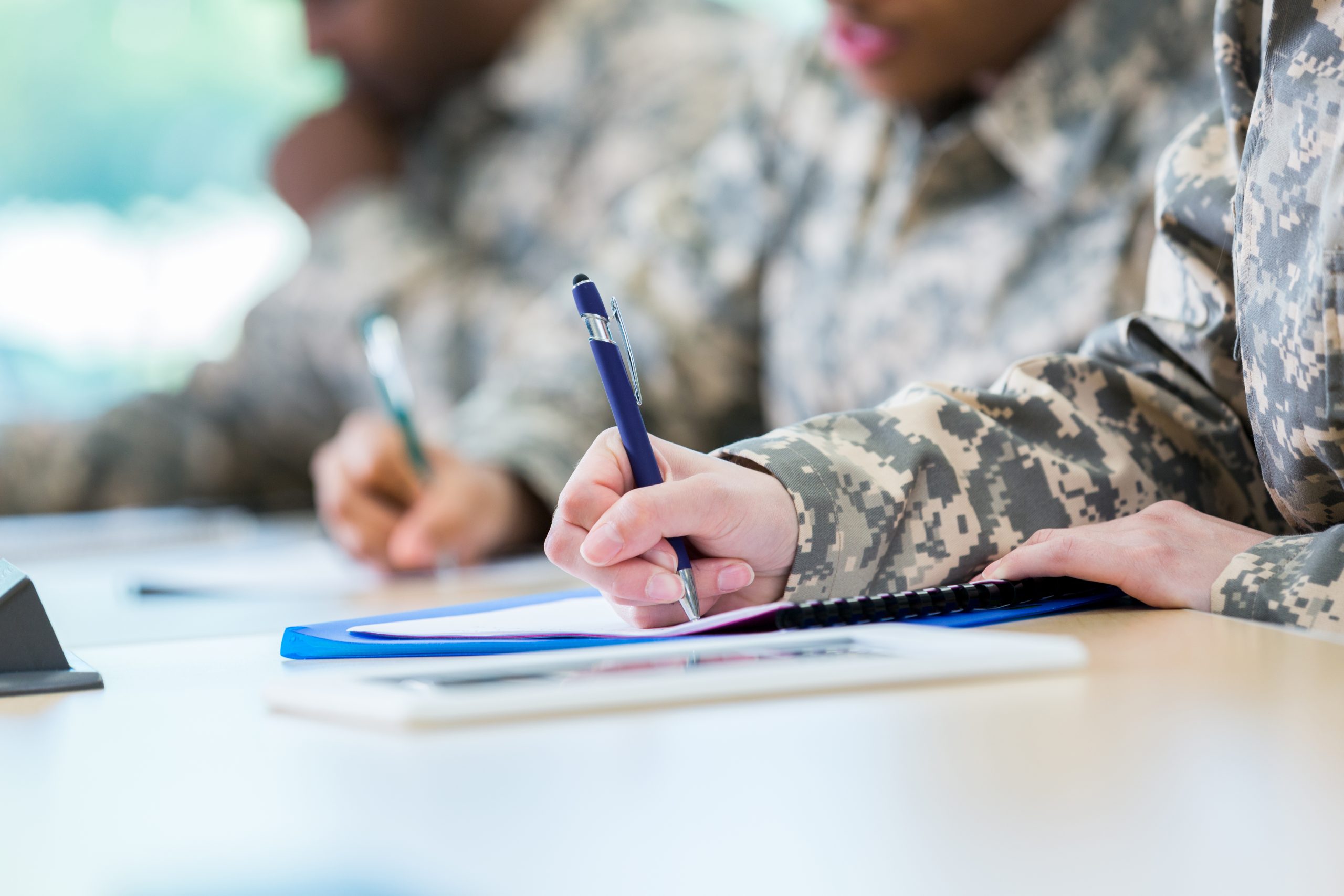
One of the greatest hurdles to Veteran success in higher education isn’t aptitude; it’s the lack of a genuine, strategic understanding of their unique needs, as well as sufficient Veteran support. When faculty dismiss their experience, or administrative processes fail to recognize their life as a Veteran, it creates invisible barriers that lead to high attrition.
For university leaders, the challenge is clear. Good intentions can’t replace intentional policy. The pathway to student success and institutional excellence requires a commitment beyond the slogan. It requires action.
1. Beyond Compliance: Elevating Commitment to Culture
Military-connected students are a diverse, resilient population: often older, financially independent, and balancing full-time work and family. They need more than a single Veterans Affairs (VA) office; they need an institution-wide standard that guides every interaction.
The challenge is often rooted in the “silo effect”: the VA director may be excellent, but if the Bursar’s office, Academic Advising, and individual faculty members aren’t aligned and culturally competent, the student quickly encounters friction.
The Strategic Shift: Elevating your support from a functional office to a shared institutional value that is reflected in policy, programming, and personnel training.
2. Policy as Proof: Resolving the Logistics and Life Balance
Student Veterans face unique logistical stressors that traditional university schedules and credit systems cannot accommodate. Military life is structured and definitive, while college can feel ambiguous and chaotic.
Best Practice: Proactive Flexibility
Institutions must embed flexibility into the academic journey to accelerate time-to-degree and remove unnecessary financial burdens.
Credit for Experience is Not Optional: Your teams from Admissions to Department Heads should be trained to aggressively and consistently award maximum academic credit for military training, certifications, and professional licenses. This is not a shortcut; it’s recognizing verifiable expertise and accelerating their path to a degree, which is a key factor in Veteran persistence.
Accessible Coursework: Retention data shows military-connected students thrive when institutions offer high-quality, accessible virtual or hybrid coursework. This accommodates mandatory life demands, service-related disabilities, and the difficulty of balancing school with full-time work and dependents.
3. Bridging the Cultural Divide: From Isolation to Integration
Serving veterans better with proven support strategies is the only way to retain this high-value student population. Veteran attrition data often points to a sense of isolation and lack of belonging on campus. Students who come from a tight-knit, mission-focused team often feel detached and misunderstood by their civilian peers and faculty.
Best Practice: Cultural Competency and Peer Networks
To foster success, institutions must actively create bridges between the military and civilian campus communities.
Mandatory Cultural Training: Cultural competency must be a core investment. Faculty and staff need the cultural tools to understand the Veteran student’s discipline, leadership style, and potential service-related stressors. This training helps faculty avoid common missteps and integrate real-world Veteran experience into classroom discussions, turning a potential liability into an academic asset.
Investing in Peer Support: The Military Friendly® methodology recognizes the critical power of peer networks. Dedicated Veteran Resource Centers and peer-led mentorship programs build an immediate community, directly addressing isolation and fostering a culture where Veterans feel understood and integrated.
The Visionary Takeaway: Excellence is the Only Standard
For university leadership, investing in Veteran-centered policies is not merely a moral decision; it is a strategic opportunity to enhance institutional excellence. Military students bring unique skills that elevate the classroom, model mission-focused discipline, and generate a loyal, successful alumni network.
Ready to Elevate Your Institution?
Explore Military Friendly® Membership. Learn how our proprietary data and strategic framework provide the guidance to achieve stronger veteran support and solidify your position as a leader in military student success.