The Post-9/11 GI Bill® is arguably the most robust military education benefit in our nation’s history. But it’s not your only resource. For some veterans, the Montgomery GI Bill® or other education benefits might also come into play. And for those not eligible for the full Post-9/11 GI Bill®, there are still plenty of ways to fund your education. Here’s a look at a few additional benefits to consider.
This list is not comprehensive, so consult your installation Education Service Officer or a dedicated school representative who specializes in military education benefits. Many schools, like ECPI University, have experts on staff to guide military-affiliated students. Bill Brown, ECPI’s executive director of military education and a retired Army soldier, is one of them. Brown helps student veterans understand the GI Bill® and other resources available to them.
“I think I have the best job in the world—I get to work with Military and Veteran students and help them navigate their way to and through their education.”
Federal Financial Aid
Even if you’re using military benefits, you should still apply for federal financial aid. Completing the Free Application for Federal Student Aid (FAFSA) can unlock additional resources like the Pell Grant, which is often available to junior and mid-grade enlisted personnel as well as veterans not working while attending school. Financial aid departments will help you, and you may be surprised what you are entitled to.
Scholarships
Scholarships are another underutilized resource that can make a huge difference. Many scholarships are tailored specifically for veterans and their families, covering everything from tuition to housing expenses.
“I knew one student veteran who applied for a scholarship to have his mortgage/rent covered for an entire school year. They were awarded a $10,000 scholarship, which was very beneficial.” –Bill Brown
Chapter 31: VR&E
For veterans with service-connected disabilities that impact their ability to work, the Veteran Readiness and Employment (VR&E) program—also known as Chapter 31—can be a game-changer. VR&E helps veterans explore career options and covers education or training needed to achieve their employment goals. It may also provide family members with certain benefits.
“This program can be great for giving veterans extra benefits. If used before their GI Bill® runs out, they can save their GI Bill® for later which really extends their benefits.” –Madelyn Coppick, President of SVA at ECPI, Navy Veteran
Eligible veterans can receive up to 48 months of VR&E benefits, providing additional flexibility for education and training.
Take Charge of Your Education
While the Post-9/11 GI Bill® is a phenomenal resource, it’s just one piece of the puzzle. From federal financial aid to specialized programs like VR&E, there are multiple ways to fund your education and achieve your goals.
By exploring all your options and consulting the experts, you can build a customized plan that maximizes your benefits and sets you on a path to success.
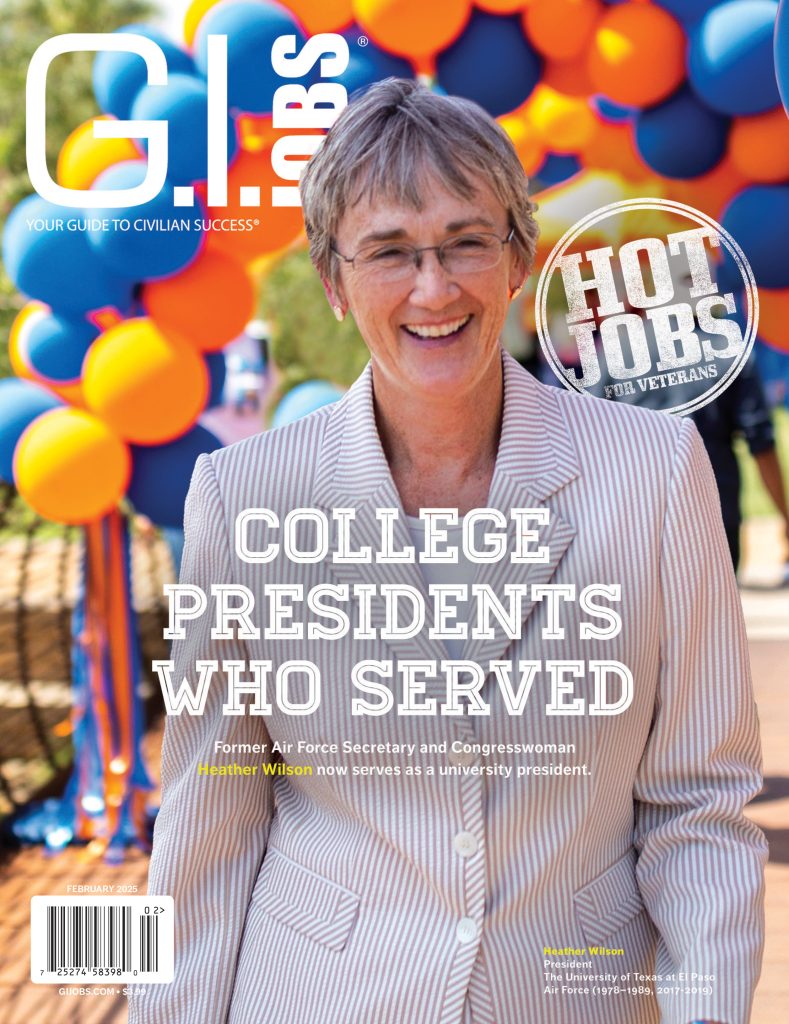
Read this full article and more in the February 2025 Issue of G.I. Jobs magazine.